The grace period for drivers in New York is officially coming to an end as a massive overhaul of traffic safety laws takes effect. Starting February 1, 2026, motorists will face one of the most stringent enforcement systems in the country. The most significant change is the removal of the informal speed buffer, meaning you can now be penalized for traveling as little as 1mph over the posted limit. These updates are part of a broader statewide effort to reduce dangerous driving and make the roads safer for pedestrians and students alike.
Table of Contents
The End of the Speeding Buffer Zone
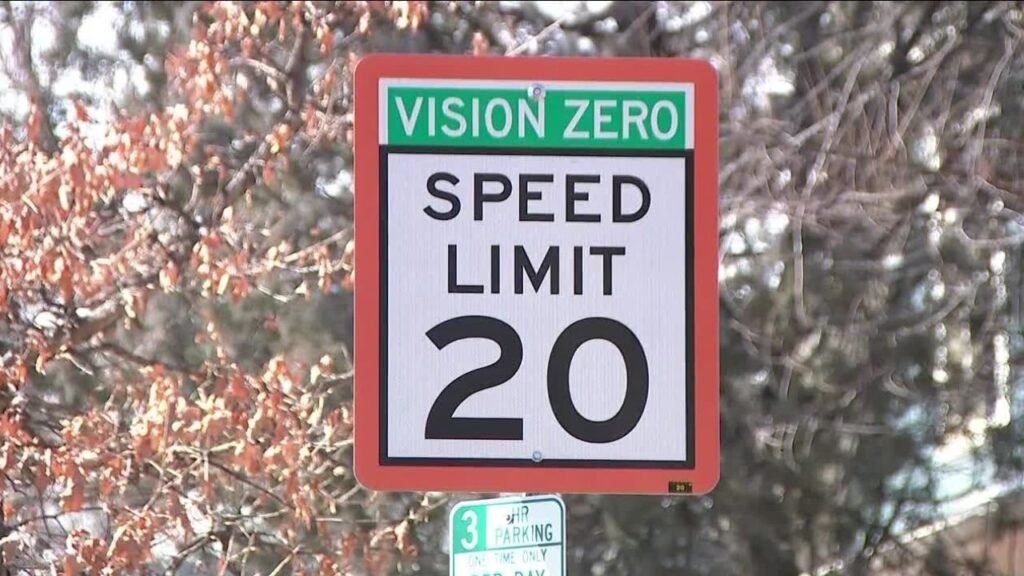
For years, many drivers operated under the assumption that they could travel a few miles per hour over the limit without consequence. That era is over. The new regulations emphasize that the posted speed limit is an absolute maximum. Whether you are driving through a quiet residential neighborhood or on a major highway, being caught even slightly over the limit can now result in a ticket and points on your license.
State officials have clarified that this strict approach is intended to serve as a deterrent. By eliminating the gray area of speed enforcement, the goal is to encourage a cultural shift where drivers pay closer attention to their speedometers. This change is particularly focused on high risk areas like school zones and busy urban intersections where small increases in speed significantly raise the risk of fatal accidents.
Stricter Point System and Lower Suspension Limits
The 2026 update does more than just target speeders; it completely restructures how the Department of Motor Vehicles tracks violations. In the past, a driver faced license suspension after accumulating 11 points within an 18 month window. Under the new rules, that threshold has been lowered to just 10 points. Furthermore, the look back period has been extended to 24 months, meaning violations will stay active and relevant for a much longer time.
This combination of higher point values for individual offenses and a lower cap for suspension makes it much easier for a person to lose their driving privileges. For example, getting two tickets for using a cell phone while driving within a two year period will now be enough to reach the 10 point limit. This shift reflects a zero tolerance policy for behaviors that lead to distracted or reckless driving.
Protecting Pedestrians and School Children
A major pillar of the new legislation is the protection of vulnerable road users. Penalties for failing to yield to pedestrians or passing a stopped school bus have seen the most dramatic increases. Reckless driving and illegally overtaking a school bus will now result in 8 points being added to your record, a significant jump from the previous 5 points.
The state is also introducing points for violations that were previously only fine based. Equipment issues, such as a broken headlight or a malfunctioning taillight, will now add 1 point to your license. While these may seem like minor infractions, they can quickly add up under the new 24 month tracking window, pushing otherwise careful drivers closer to a suspension review.
2026 Traffic Violation Point Comparison
The following table highlights the changes in point values for common traffic offenses starting this February.
| Violation Type | Old Points | New Points (Feb 2026) |
| Speeding (1 to 10 mph over) | 3 | 4 |
| Using a Cell Phone while Driving | 5 | 6 |
| Failing to Yield to a Pedestrian | 3 | 5 |
| Passing a Stopped School Bus | 5 | 8 |
| Reckless Driving | 5 | 8 |
| Speeding in a Construction Zone | Varies | 8 |
Key Takeaways for New York Motorists
- The 1mph rule means any speed above the limit is now subject to a penalty.
- License suspension now triggers at 10 points instead of 11.
- The time window for counting points has increased from 18 to 24 months.
- Speeding in construction zones now carries a flat 8 point penalty regardless of speed.
- Automated speed cameras will play a larger role in enforcing these new limits.
- Mandatory Driver Improvement Clinics are required for those with 7 to 10 points.