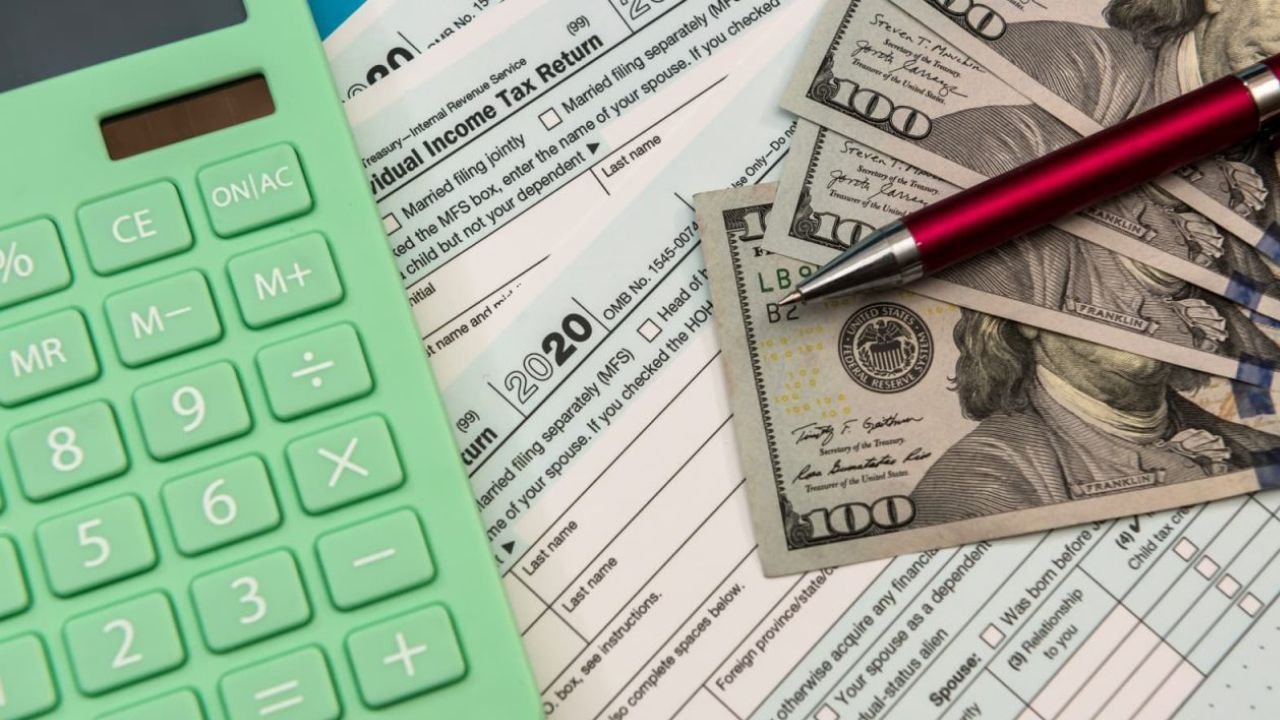
The debate over the future of physical mail has taken a significant turn this month as federal agencies adjust their strategy for benefit payments. For much of late 2025, millions of retirees and disabled Americans were told that paper checks would be a thing of the past. Officials cited a strict cutoff date and urged everyone to move toward digital banking. However, as we move through January 2026, the government has adopted a much more flexible approach. While the push for modernization continues, the once firm deadline has been replaced by a policy of accommodation for those who truly need it.
Table of Contents
The Original Mandate and the Push for Digital Payments
The initial plan to eliminate paper checks was rooted in an executive order designed to modernize how federal money is distributed. Agencies like the U.S. Treasury and the Social Security Administration argued that moving to electronic systems would save taxpayers millions in printing and postage costs. Beyond the budget, security was a major factor. Federal data showed that paper checks were nearly 16 times more likely to be lost, stolen, or altered compared to direct deposits.
To facilitate this, the government promoted two main digital paths. The first was direct deposit into a traditional bank account, which the vast majority of beneficiaries already use. For those without a bank, the Direct Express® debit card was offered as a safe alternative. Throughout 2025, the message remained consistent: the era of the paper check was ending.
Why Public Pressure Forced a Policy Shift
As the original September 30, 2025, deadline approached, advocacy groups and lawmakers began to raise serious concerns. While digital banking is convenient for many, a small but significant portion of the population faces major barriers. Rural residents with poor internet access and seniors who are not comfortable with smartphones felt they were being forced into a system they could not manage.
The primary concern was that a hard cutoff could lead to a financial crisis for the most vulnerable citizens. If a person failed to set up an electronic account in time, they risked a delay in receiving their only source of income. This feedback led to a quiet but important change in tone. By the time 2026 began, it became clear that the government would not leave anyone behind simply because they couldn’t navigate a digital transition.
Understanding the New Flexibility and Waivers
Today, the government still prefers that everyone move to electronic payments, but the strict enforcement has been replaced by a waiver system. Rather than stopping checks automatically, the Social Security Administration is now allowing paper payments to continue for individuals who meet certain hardship criteria. This shift ensures that the system remains accessible while still encouraging those who can switch to do so.
This balanced approach recognizes that modernization is not a race. By providing waivers for those with physical or cognitive impairments, or those living in remote areas without banking infrastructure, the government is prioritizing payment continuity over administrative speed. It is a transition that is now defined by patience and support rather than rigid deadlines.
Social Security Payment Methods at a Glance
The following table shows the current status of payment methods as we move into the 2026 fiscal year.
| Payment Method | Reliability Level | Current Status in 2026 |
| Direct Deposit | Highest | Primary and most recommended method |
| Direct Express Card | High | Preferred for the unbanked population |
| Paper Checks | Moderate | Available for those with qualifying waivers |
| Temporary Checks | Low | Generally no longer issued for new claims |
What You Should Know About Your Payment Options
- Electronic payments remain the fastest way to receive your money on your scheduled date.
- If you currently receive paper checks and are able to switch, direct deposit is the safest option to prevent mail theft.
- Waivers are available if you have a documented medical or geographic reason for needing physical checks.
- The 2.8% cost of living adjustment for 2026 is applied regardless of your payment method.
- No one will have their benefits suspended solely for failing to switch to digital by a certain date.
- Outreach programs are being expanded to help seniors set up and manage their online accounts safely.